Back

Serious And Learning Games

Digital games are potent learning tools that tell compelling stories, offer new perspectives, cultivate empathy, simulate processes and environments, explore consequences, and help us reimagine the world, and rehearse processes and procedures. We learn best by doing, and digital games offer safe spaces to learn through trial and error while users level-up at their own pace with immediate feedback. We design our games with the basic principle that engagement is the first step to learning.
Dino Dance Party

Dino Dance Party

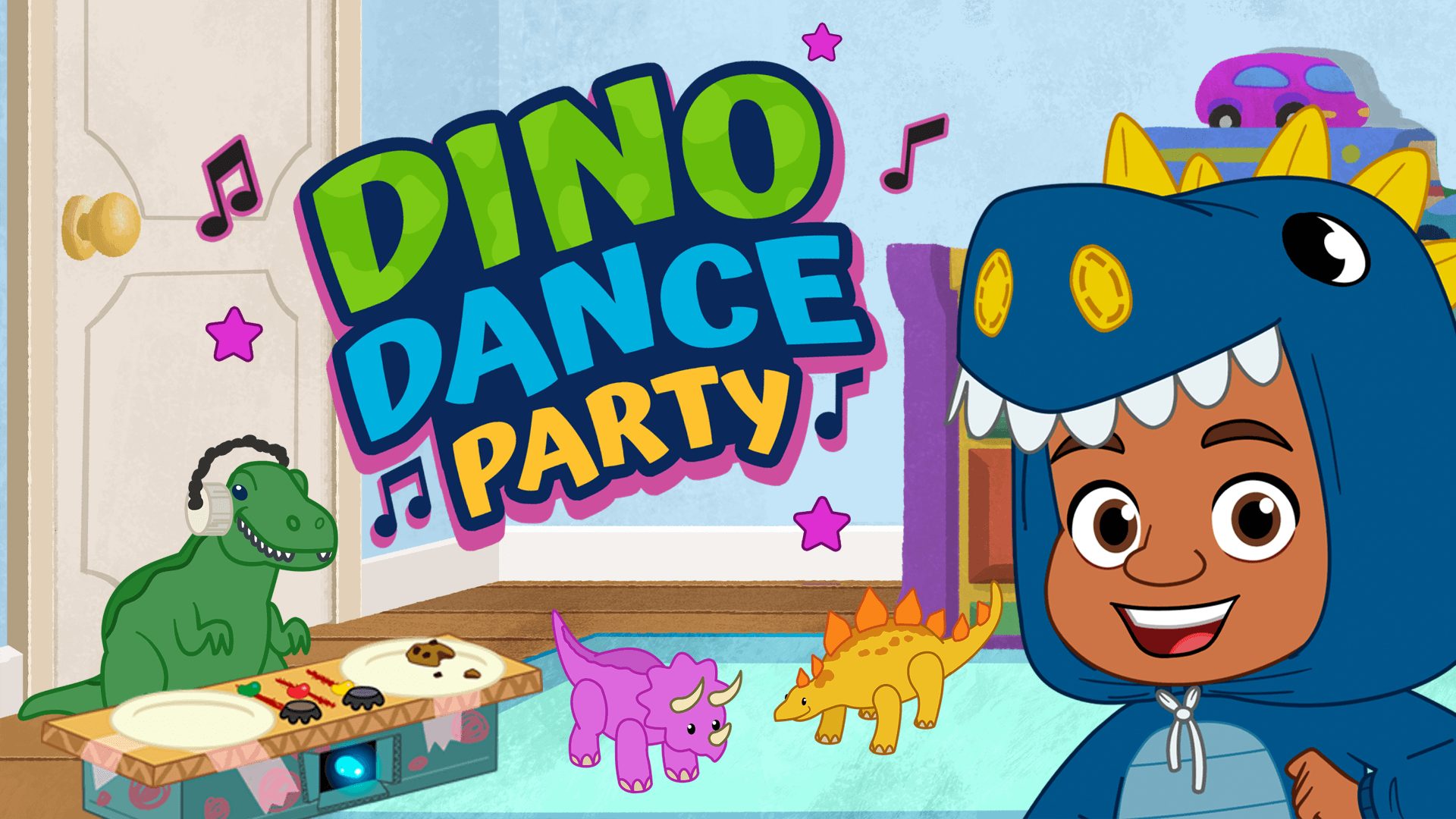
Developed by Gold Bug Interactive for Fred Rogers Productions in collaboration with PBS KIDS as part of Alma’s Way, this playful digital game helps young children practice fine motor skills through movement and interaction. Players make Junior’s dinosaurs dance using taps, gestures, mouse movements, keyboard inputs, and other playful controls. Working with subject-matter experts, Gold Bug translated age-appropriate fine motor development goals into progressively challenging mechanics that encourage children to practice through play. Accessibility was integral to the design, with multiple input methods, closed captioning, audio controls, color-blind accessibility, and English and Spanish support.

Sabz

Set within a simulation of rural Afghanistan, this mobile game explores reforestation, climate resilience, and sustainable livelihoods through systems-based gameplay. Developed in collaboration with GIZ, players make decisions about tree planting while responding to agricultural, economic, environmental, and climate pressures. Gold Bug worked with subject-matter experts and local partners to ground the simulation in scientific knowledge and the realities of its cultural context. Available in Dari and English, Sabz was created to support NGOs working with communities to promote reforestation and sustainable development.

Protection: The Game

Protection: The Game

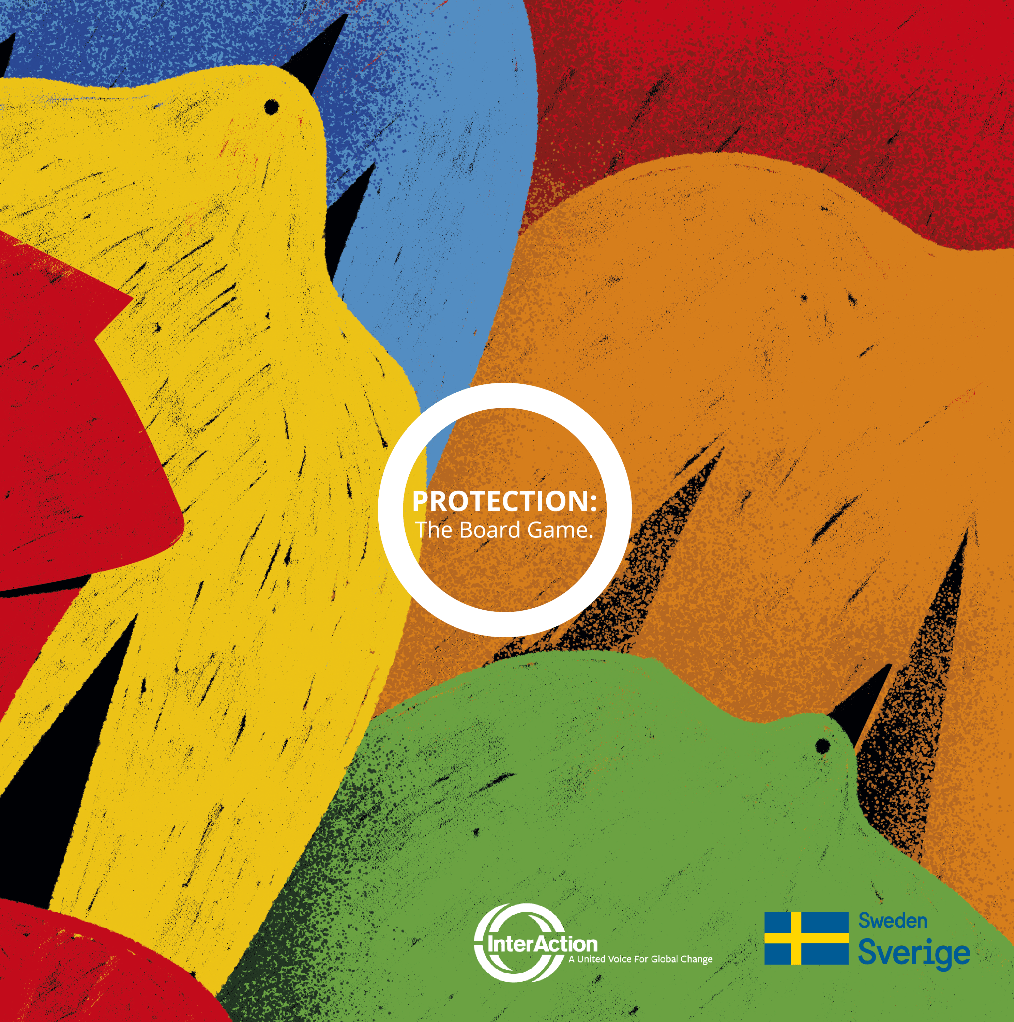
This collaborative tabletop simulation gives humanitarian leaders a safe environment to practice the complex decision-making involved in protecting people affected by crises. Developed with InterAction and Results-Based Protection experts, players investigate protection risks, consider their underlying causes, and collaborate across sectors to develop strategies for reducing threats of violence, coercion, and deliberate deprivation. By transforming a sophisticated professional framework into an experiential simulation, the game allows practitioners to test decisions, negotiate priorities, and examine how different interventions can affect protection outcomes.

The Glitch (in production)

The Glitch is our latest and most sophisticated archival game, designed to build community and support a major fundraising campaign. The humorous and immersive narrative game activates institutional archives using video, 3D escape rooms, casual games, social media and an interactive gallery. Our client intends to surprise their community with this unique experience, so we will share more after its upcoming release.

Chuka

An SEL game to prevent violence that helps kids identify strategies to handle physical, sexual and psychological abuse. Play as Chuka, confront creatures, and collect them all to win. Developed for Education for Justice E4J, United Nations (UNODC). This tool has been used by 166K players and you can find guielines.

Micros

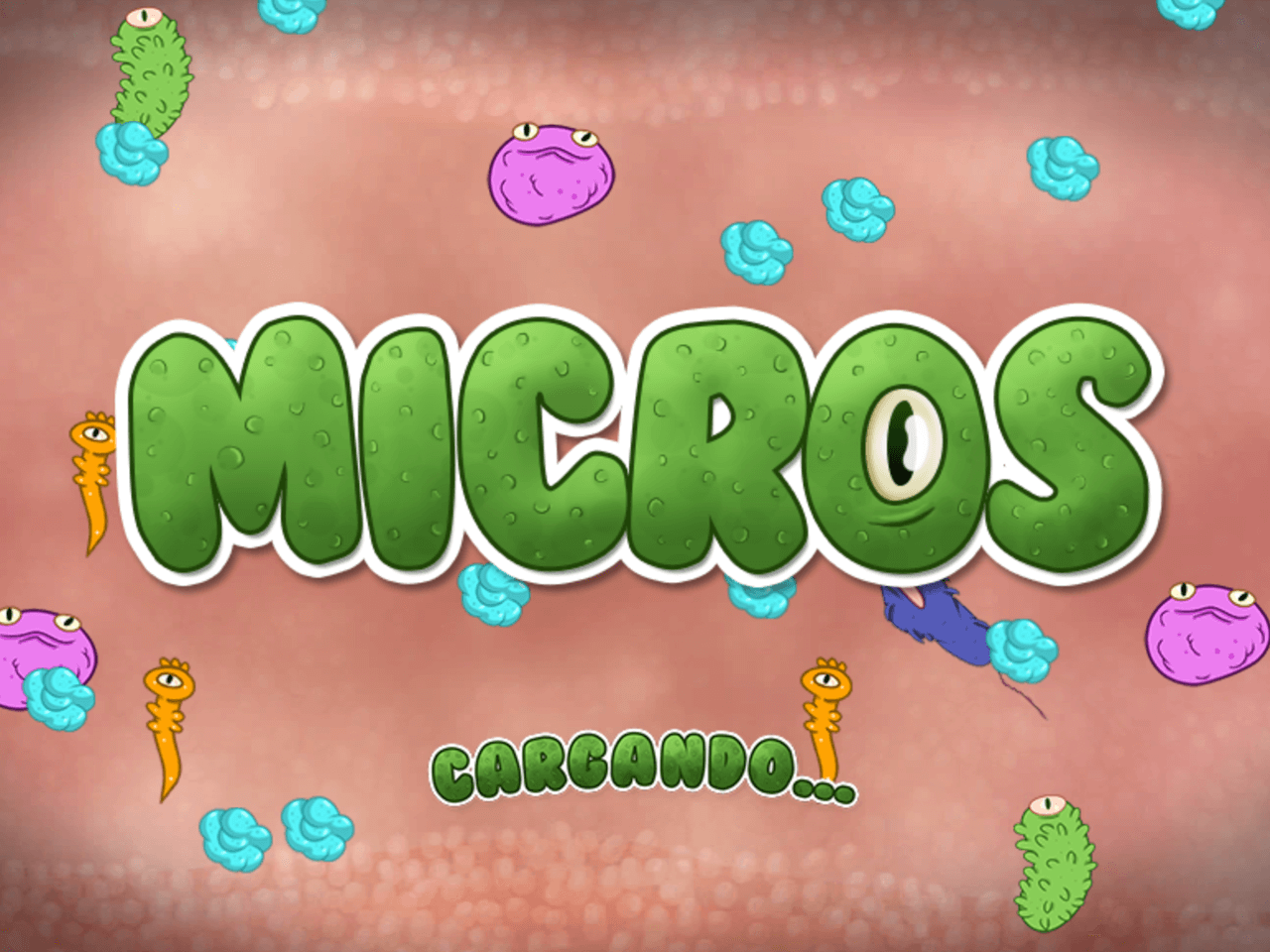
Balance your own gut and learn the importance of having a healthy microbiota. Balance your bacillus, coconut, spirochete, and pathogen bacteria, but please do not use antibiotics unless absoluteley necessary.

Inspector Pok

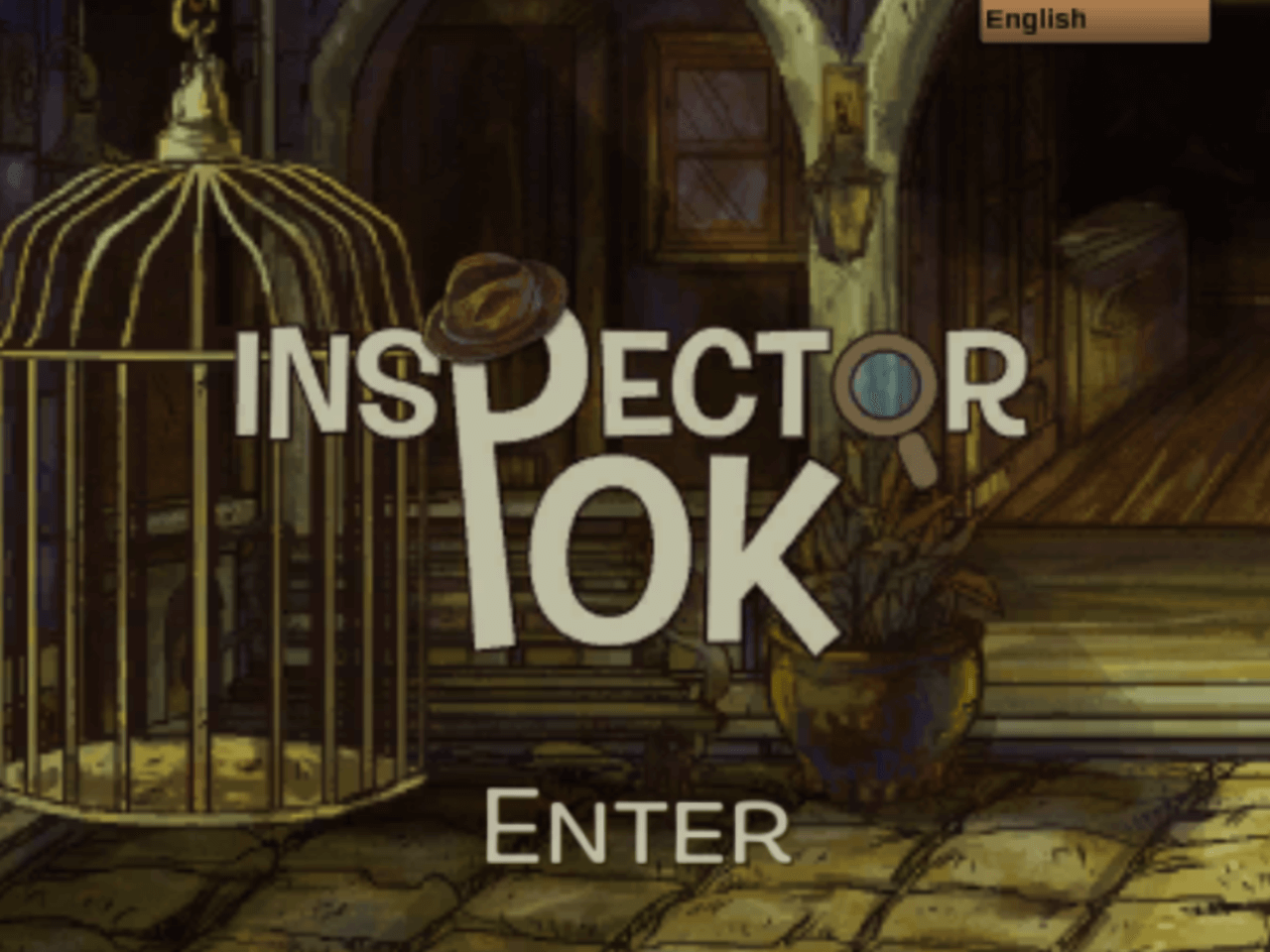
Mathematical reasoning becomes detective work in this narrative mystery set in a Veracruz hotel in 1940. Players investigate the theft of the only ticket to the mysterious island of Wala Wala by analyzing clues, connecting information, navigating maps, interpreting data and time, and using deductive reasoning to identify the culprit. Designed for ages 9–12, Inspector Pok embeds mathematics within an engaging mystery so that reasoning is not something players practice beside the game, but how they progress through it.

Melodines

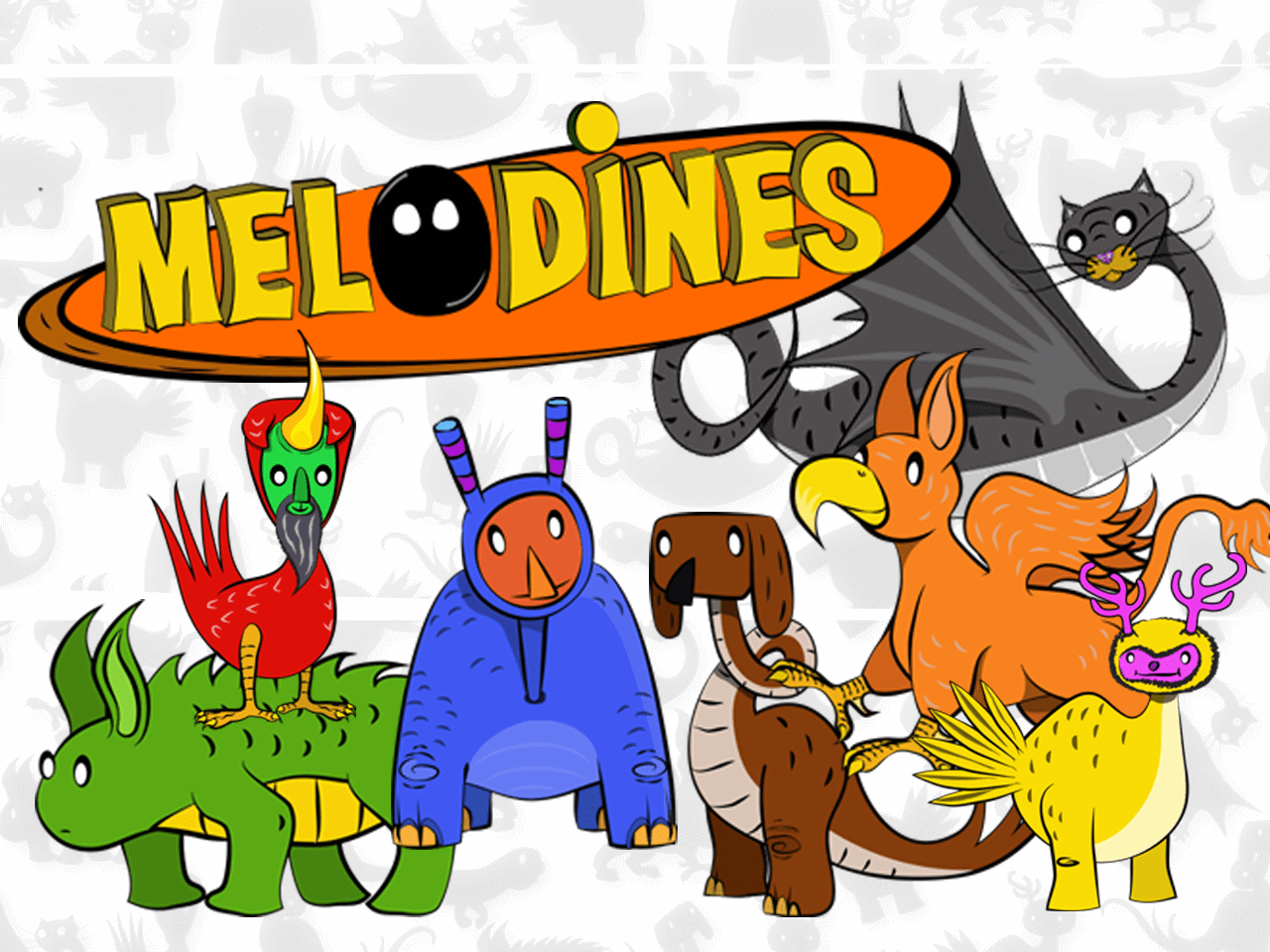
Train your musical ear by listening, recognizing, and reproducing melodies through play. Players identify high, middle, and low pitches and reconstruct what they hear note by note, developing an intuitive understanding of melody, pitch, and rhythm. Classical works and popular Mexican music provide the musical foundation while strengthening listening, attention, and musical memory. Designed for ages 6–12, the experience makes the structure of music something children can hear, see, and manipulate.

Turtle Island / Isla Tortuga

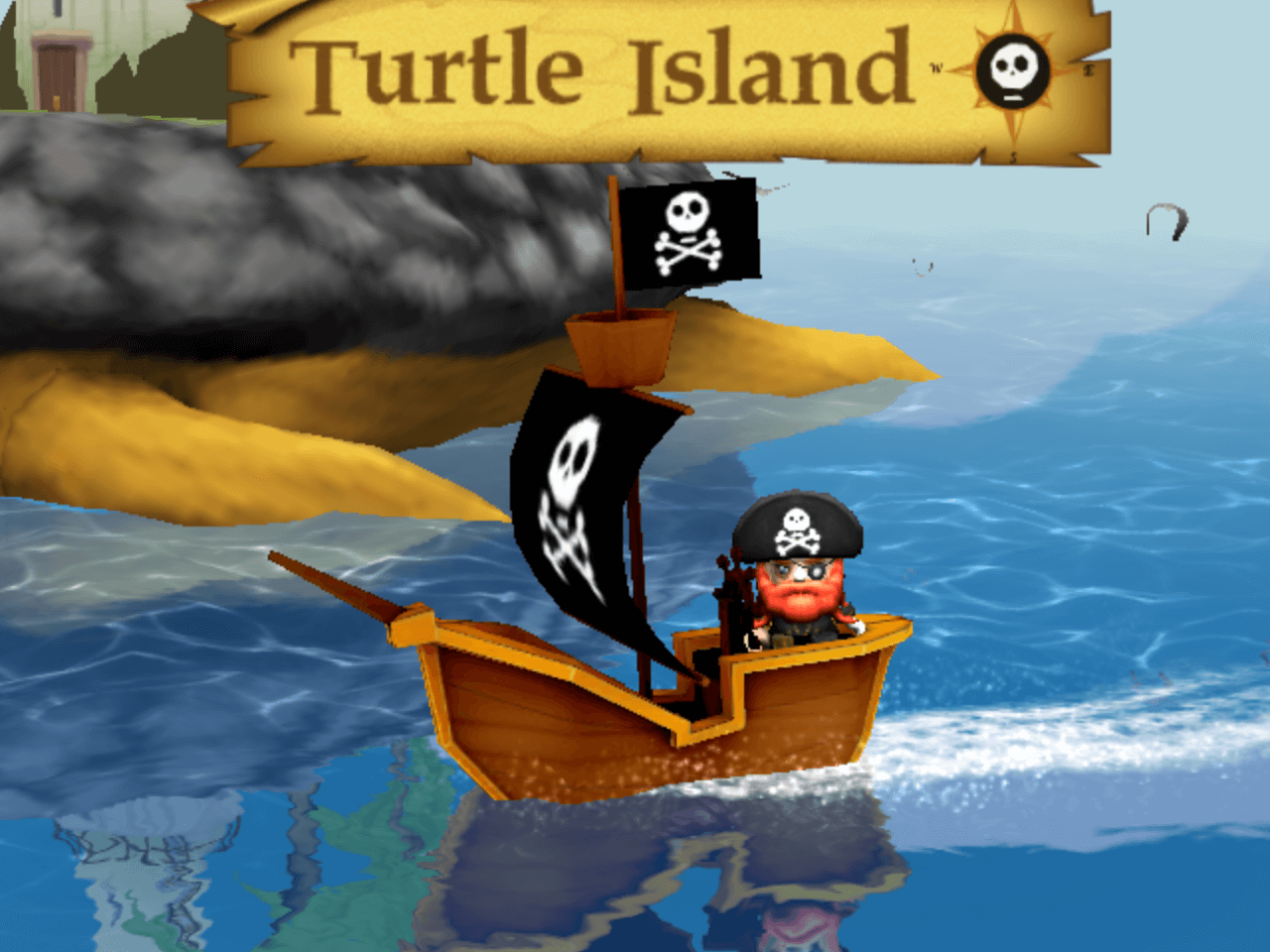
Become a pirate, navigate mysterious islands, and plot your way toward hidden treasure. Players use angles, shapes, area, and perimeter to decide how to move across islands and steer their ship toward diamonds, making geometry essential to progress. With geometric landscapes, rival ships, and a helpful parrot as a guide, mathematics becomes the map to the adventure rather than an exercise separate from it.

Bolos

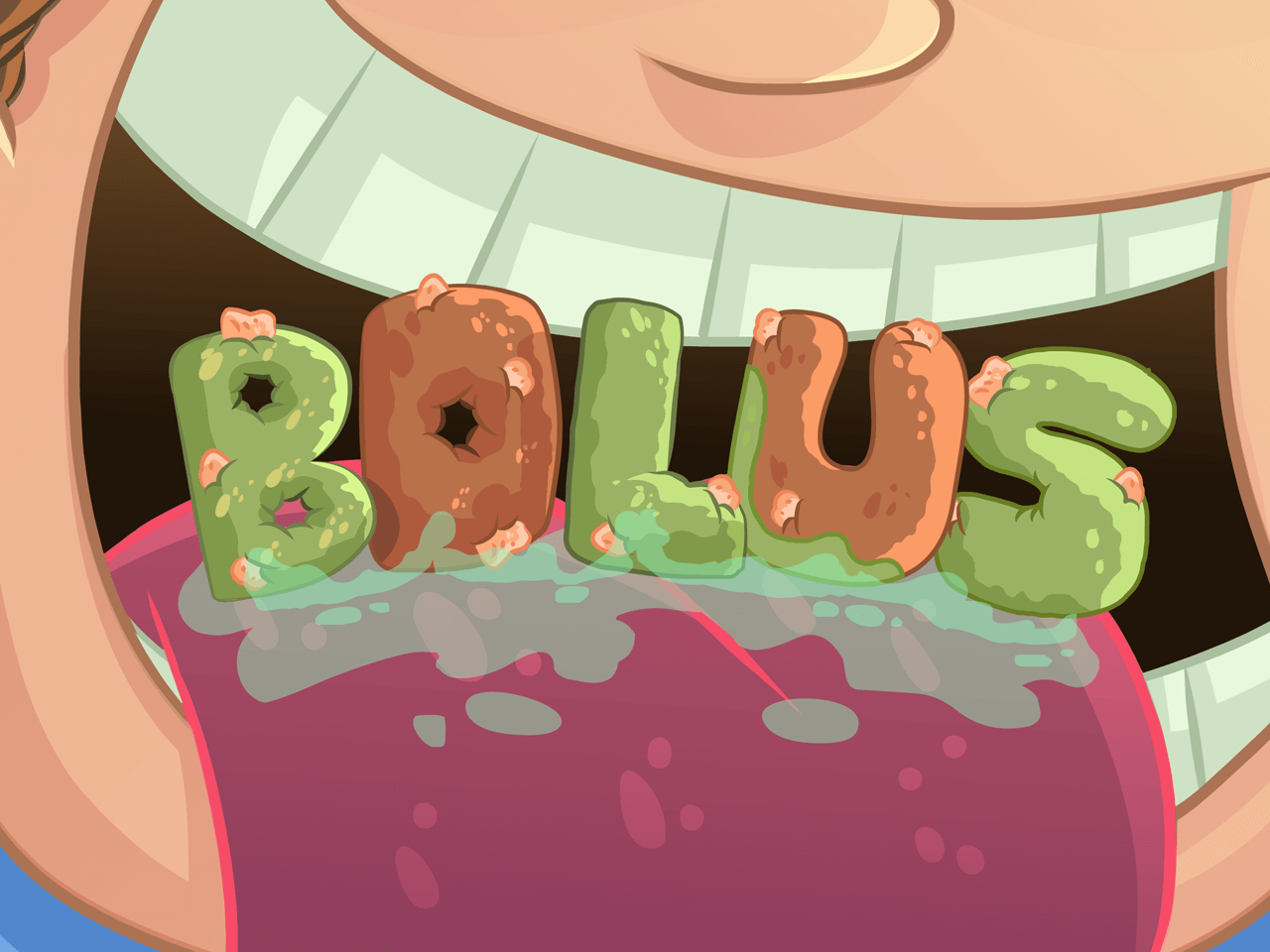
Understand the nutritional functions of the three main food groups: carbohydrates, proteins, and lipids and their utilization in the human body. Break down the macromolecules, send them through the bloodstream and provide enough energy to the cells to keep running.

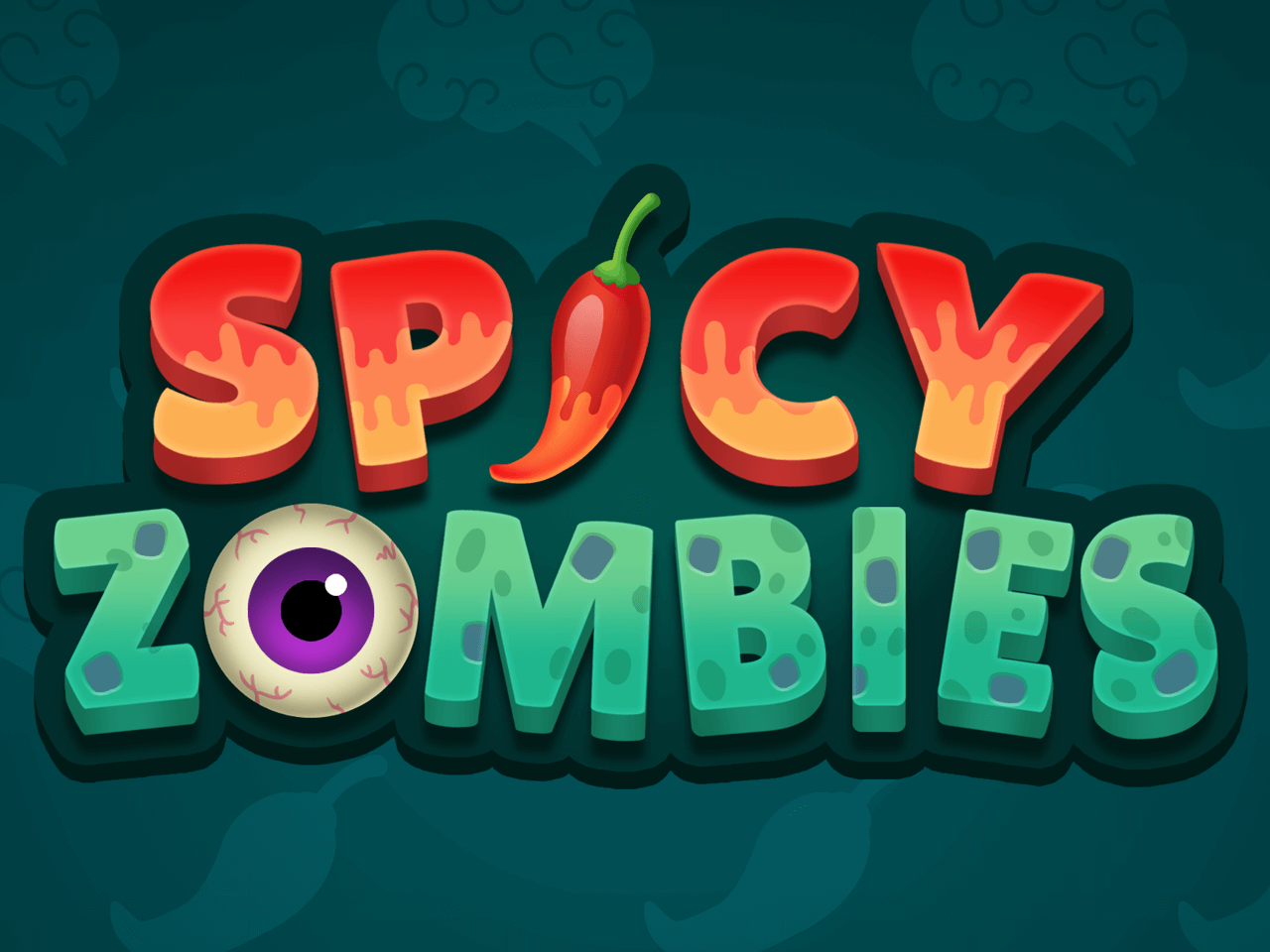
Spicy Zombies

Spicy Zombies is a colorful mobile game combining Mexican-inspired humor, farming and zombie survival. When a mysterious virus transforms the local population into zombies, a resourceful rancher discovers an unusual defense: the hottest chiles from his own harvest. Players use different peppers to fight off waves of zombies, survive the outbreak and collect customized zombie characters in a playful action game filled with distinctive characters and cultural flavor.

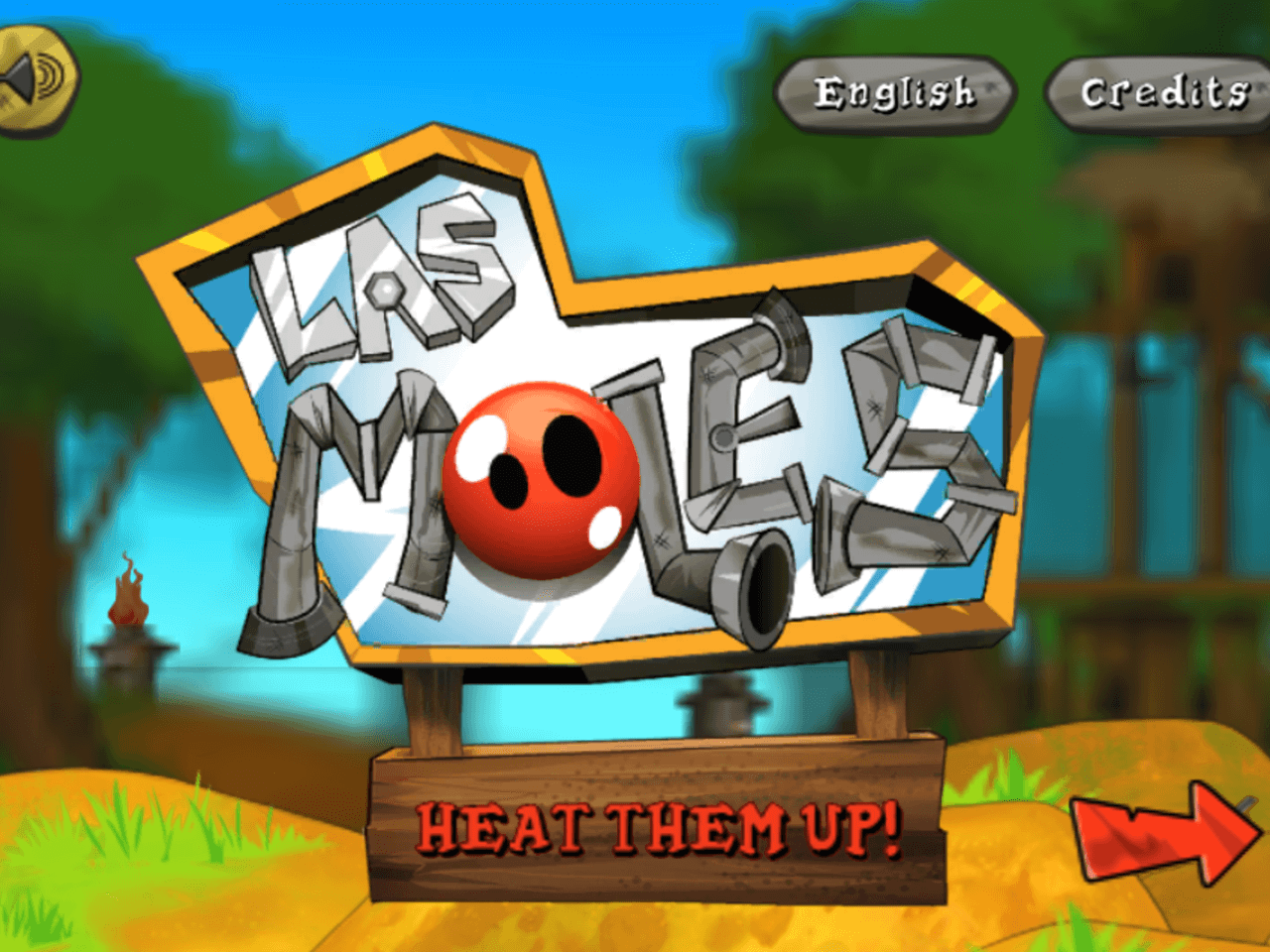
Moles

Moles is a science game that makes states of matter and heat transfer visible through playful experimentation. Players heat and cool water molecules, observing how temperature changes their movement and state as they navigate different obstacles. Metal and plastic become part of the challenge, allowing players to experience how heat travels through conductive materials and how insulation slows its transfer, turning abstract concepts into intuitive, cause-and-effect gameplay.

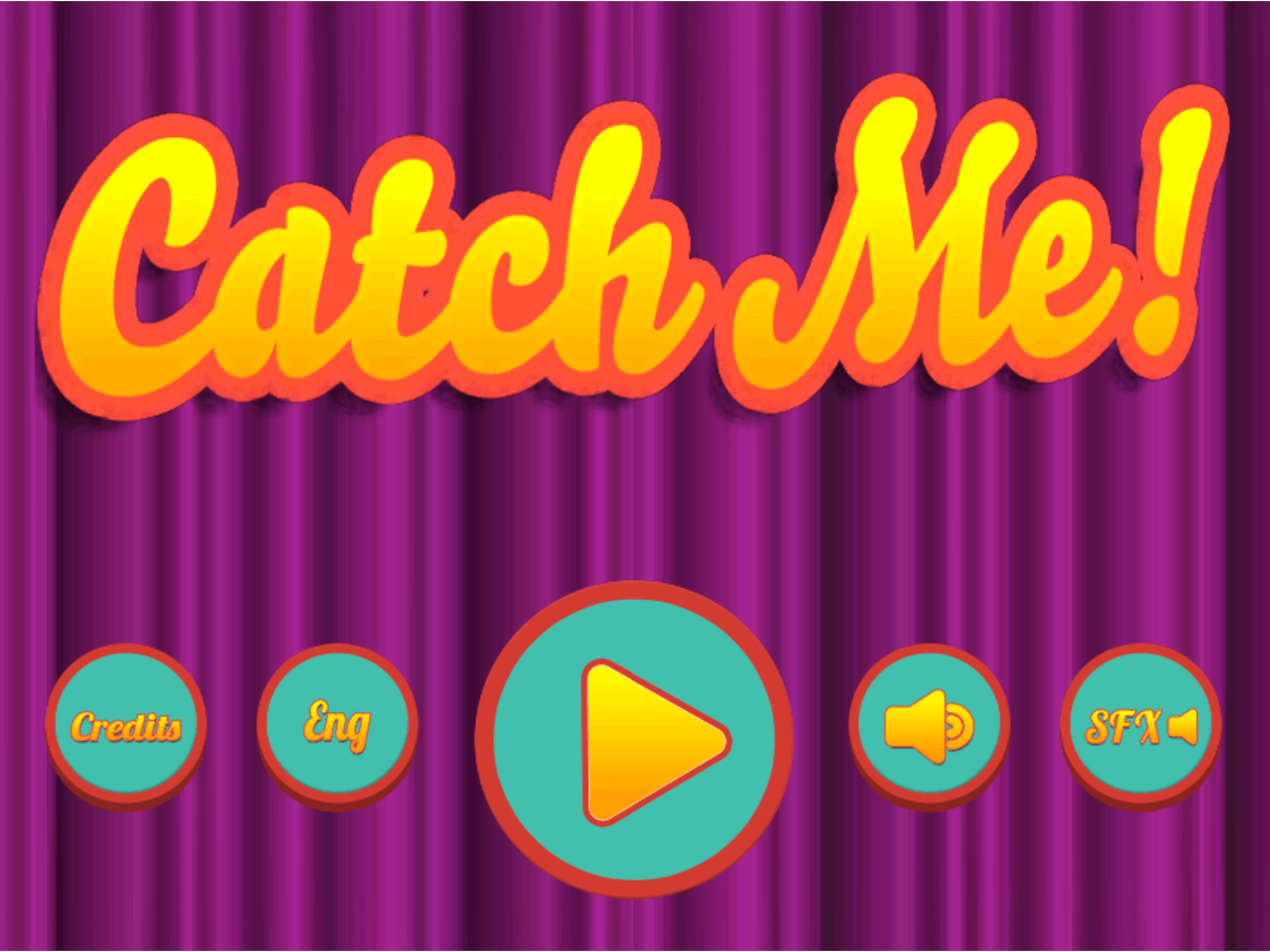
Catch Me

Develop your ability to search and prioritze information in Wikipedia. Learn geography and discover fun facts to catch the hidden creatures in the world.

Red Eye

In collaboration with the Museum of Contemporary Art (MUAC), we created this interactive experience to familiarize young audiences with their art collection, where players discover their emotions and observational skills.

Run Cheto

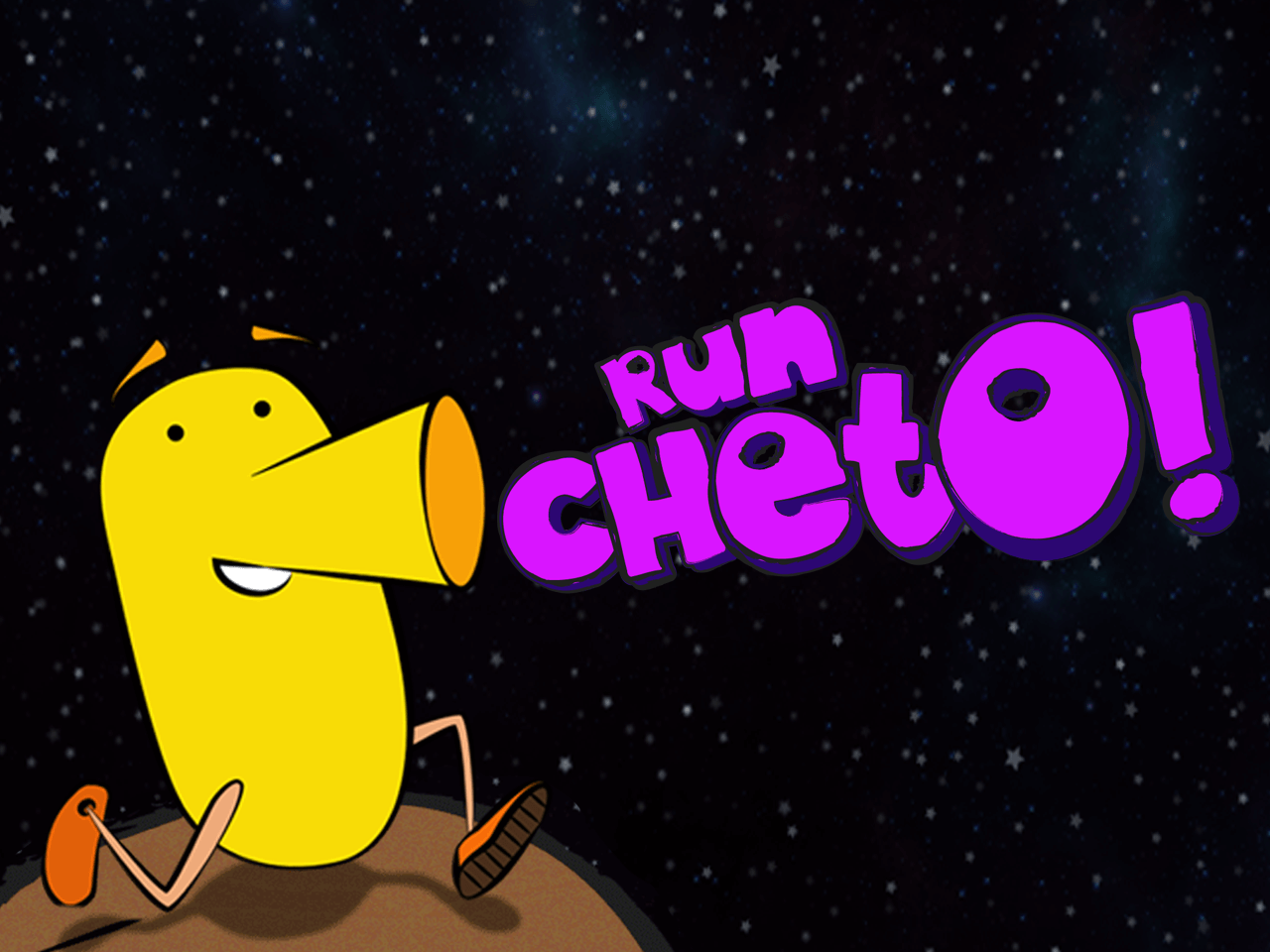
An educational maze game designed to strengthen visual perception and spatial reasoning. Players race through increasingly complex mazes searching for an object that matches a visual target, distinguishing shapes, orientation and position as they navigate. By turning skills such as laterality, figure-ground perception and visual discrimination into game mechanics, Run Cheto makes observation and cognitive reasoning part of a fast-paced challenge.

Chakana

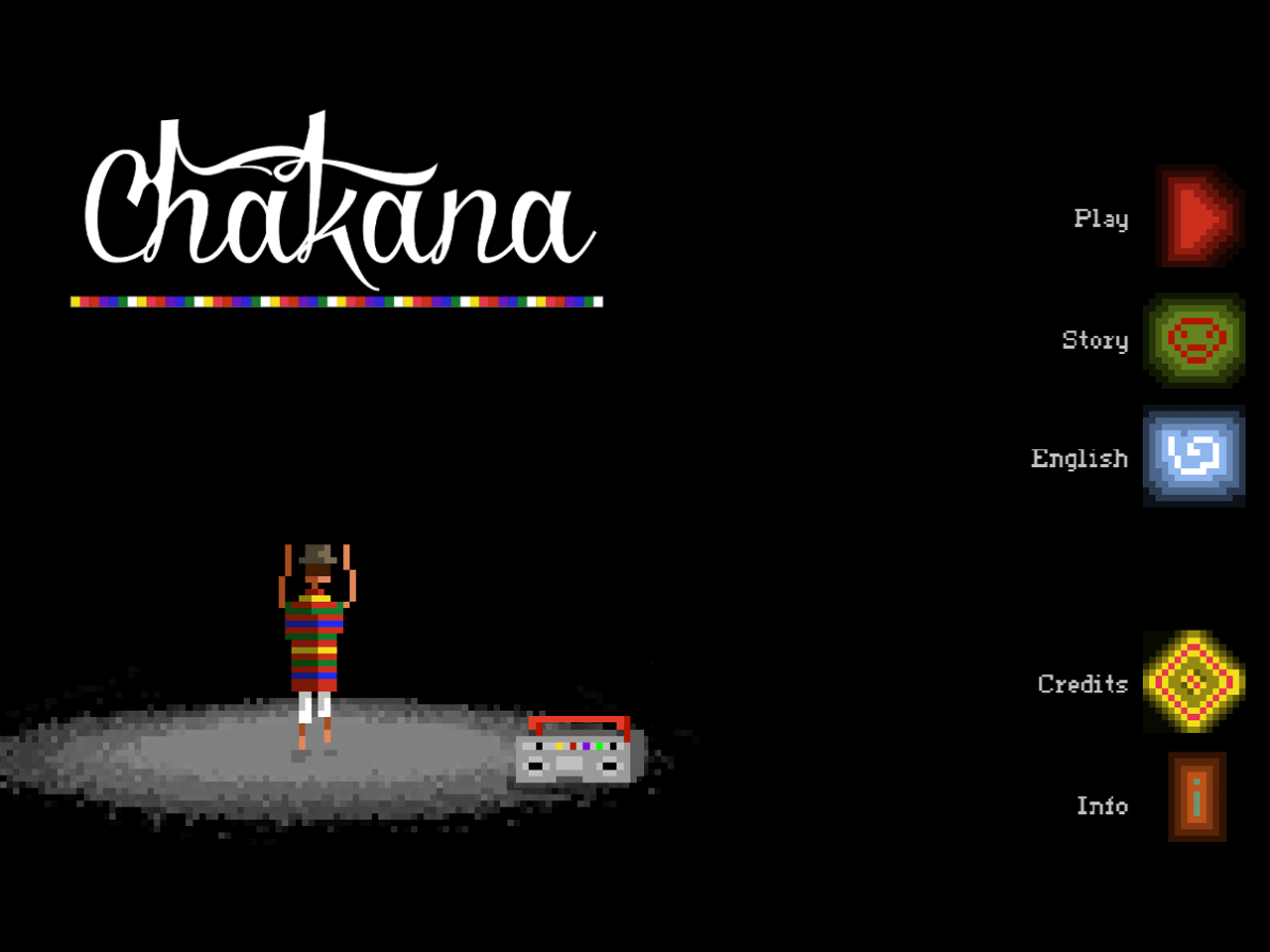
Chakana is a narrative educational game inspired by Quechua oral tradition that combines storytelling with reading comprehension and spelling. Players follow a young farmer whose extraordinary potatoes are stolen by stars disguised as princesses. After falling in love with one of them, he follows her into the sky. Players progress by reading, interpreting the story and choosing the correct words, making language skills an integral part of an adventure rooted in Andean culture.

Calle K

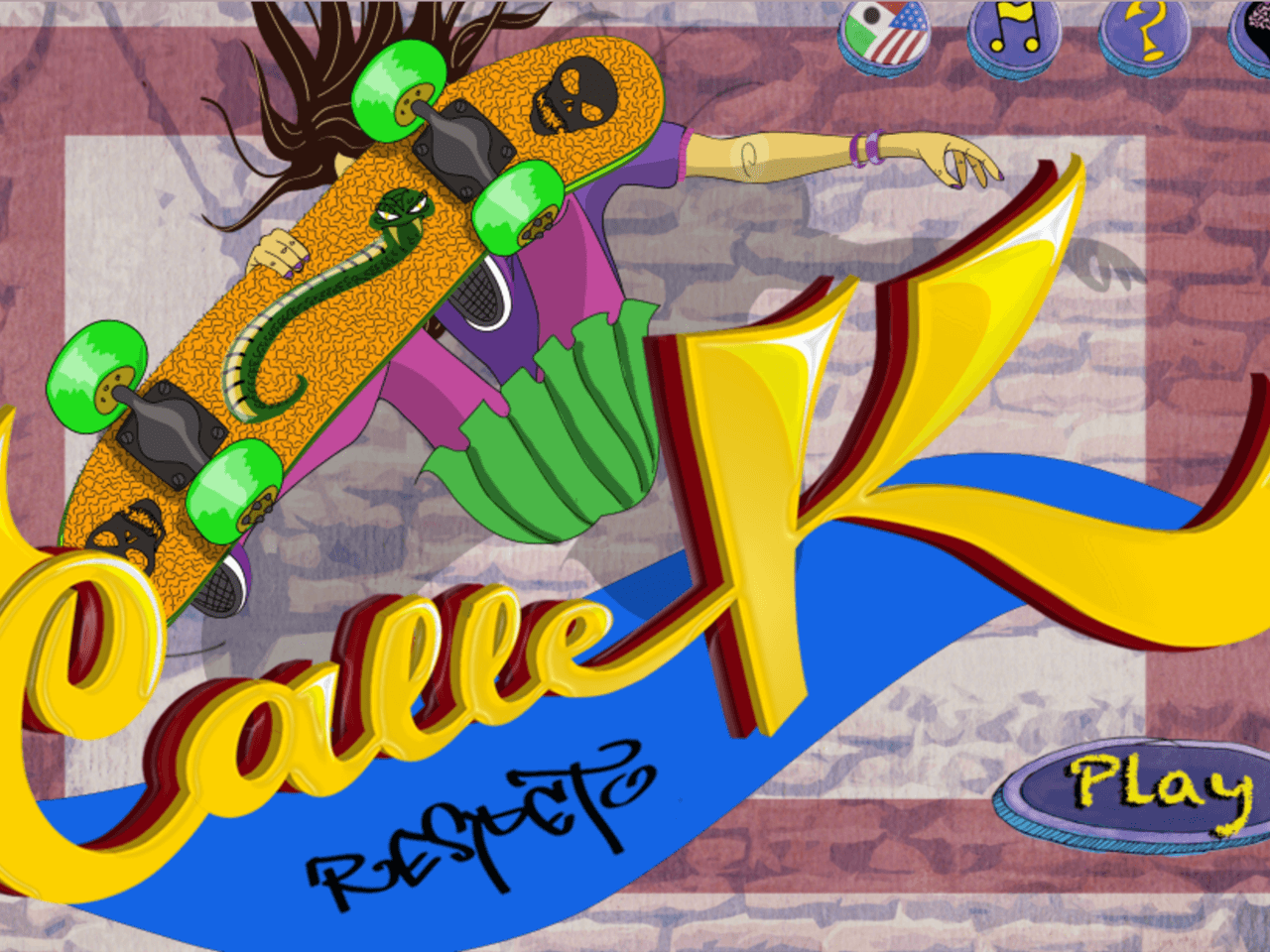
Everyday choices have consequences. Players encounter familiar social situations and decide how to respond to themselves, other people, and their surroundings, with different choices producing different outcomes. By simulating the small decisions that shape everyday life, the game encourages children to reflect on responsibility, coexistence, respect, and the effects their actions can have on a wider community.

Ritmo / Rhythm

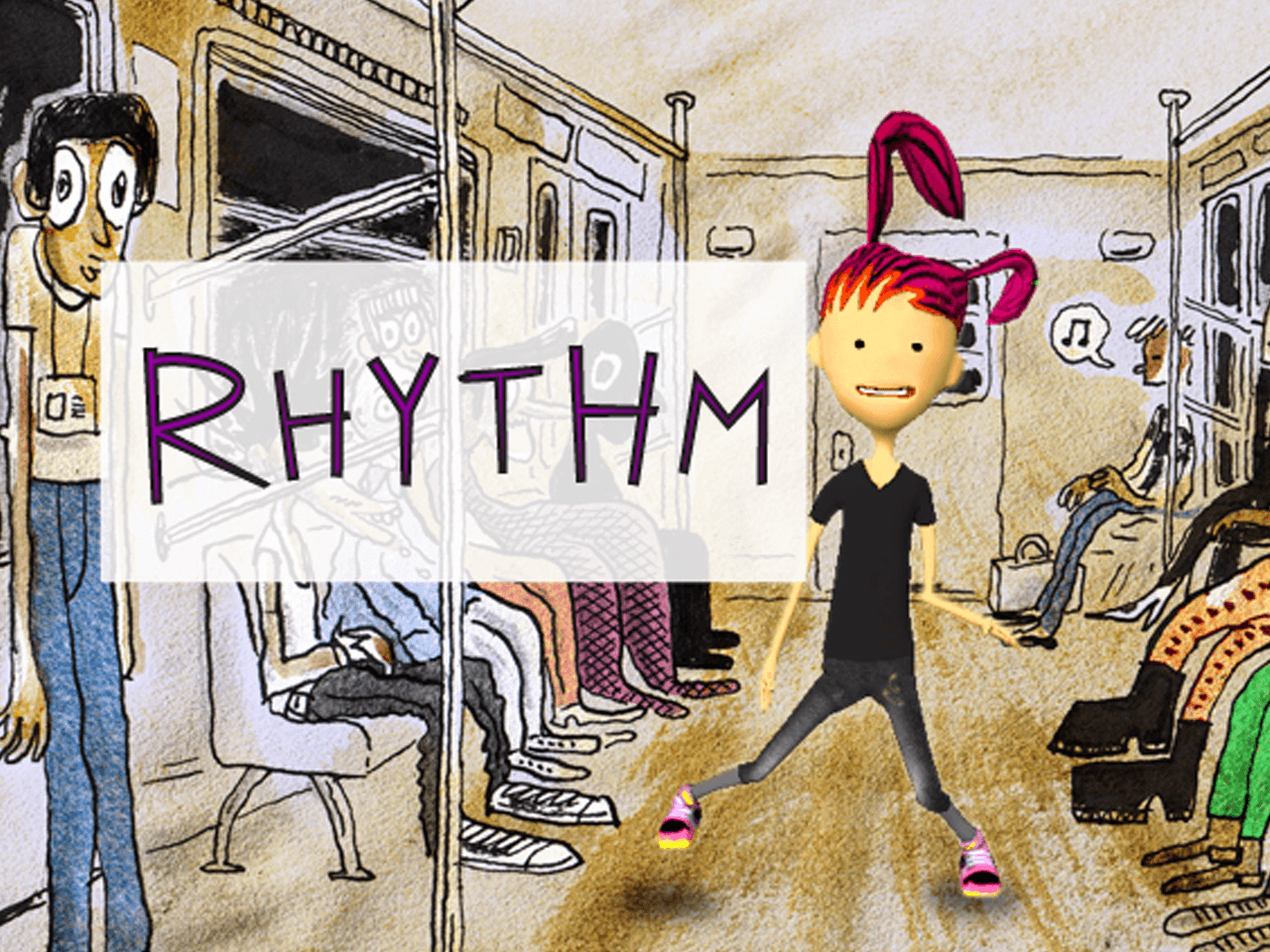
Feel the beat rather than simply learning its definition. Players listen to, recognize, and reproduce rhythmic patterns, developing an intuitive understanding of rhythm and meter through active participation. By turning musical structure into something children experience physically and aurally, the game strengthens listening, coordination, pattern recognition, and musical awareness.

Popol Buuu

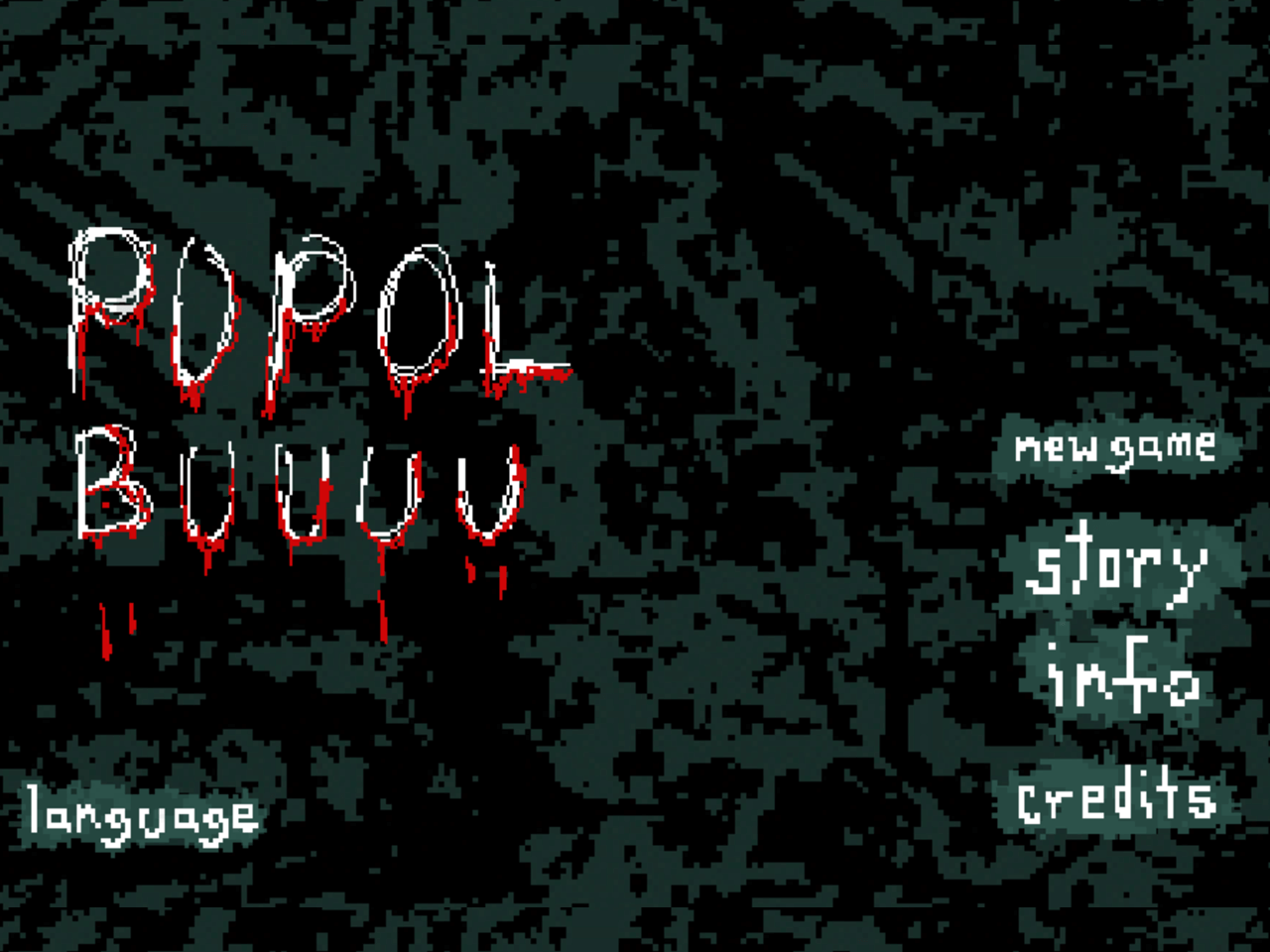
Play as Gucumatz, one of the gods at the beginning of the world, and experiment with different materials while attempting to create humanity—with results that do not always go according to plan. Inspired by the creation stories of the Popol Vuh, the sacred K'iche' Maya text, the game reimagines an ancient narrative with humor and playful irreverence. Through interaction with the story, children encounter Mesoamerican literature while strengthening reading comprehension and Spanish spelling.

Amicu

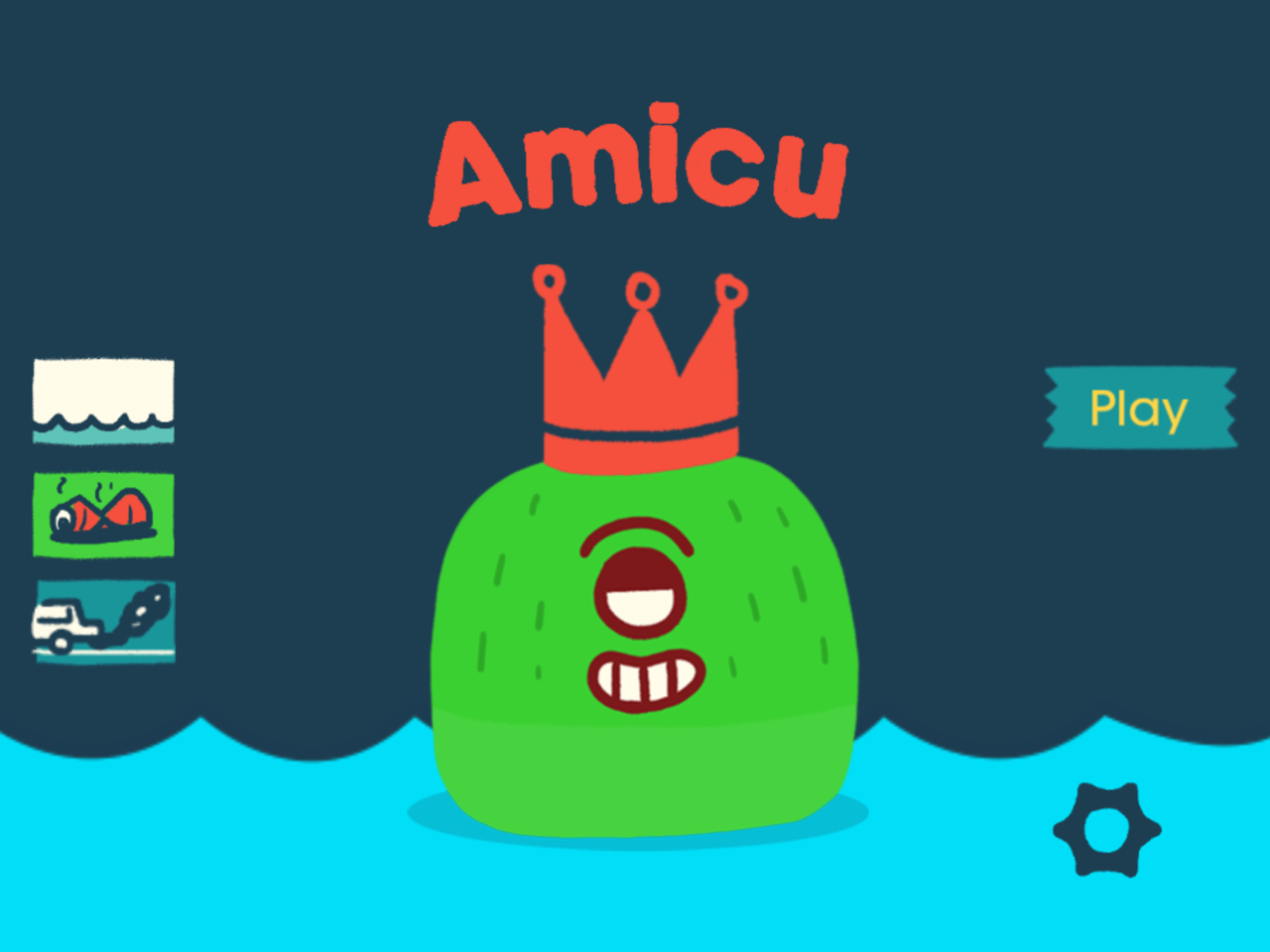
Protect the planet by turning everyday environmental choices into meaningful action. Players unplug unused devices, switch off lights, manage waste, and see how seemingly small habits can affect air, water, and soil. Through these choices, children explore the relationship between personal behaviour and environmental impact while developing awareness of pollution, sustainability, and responsible resource use.

Tirin Tirin

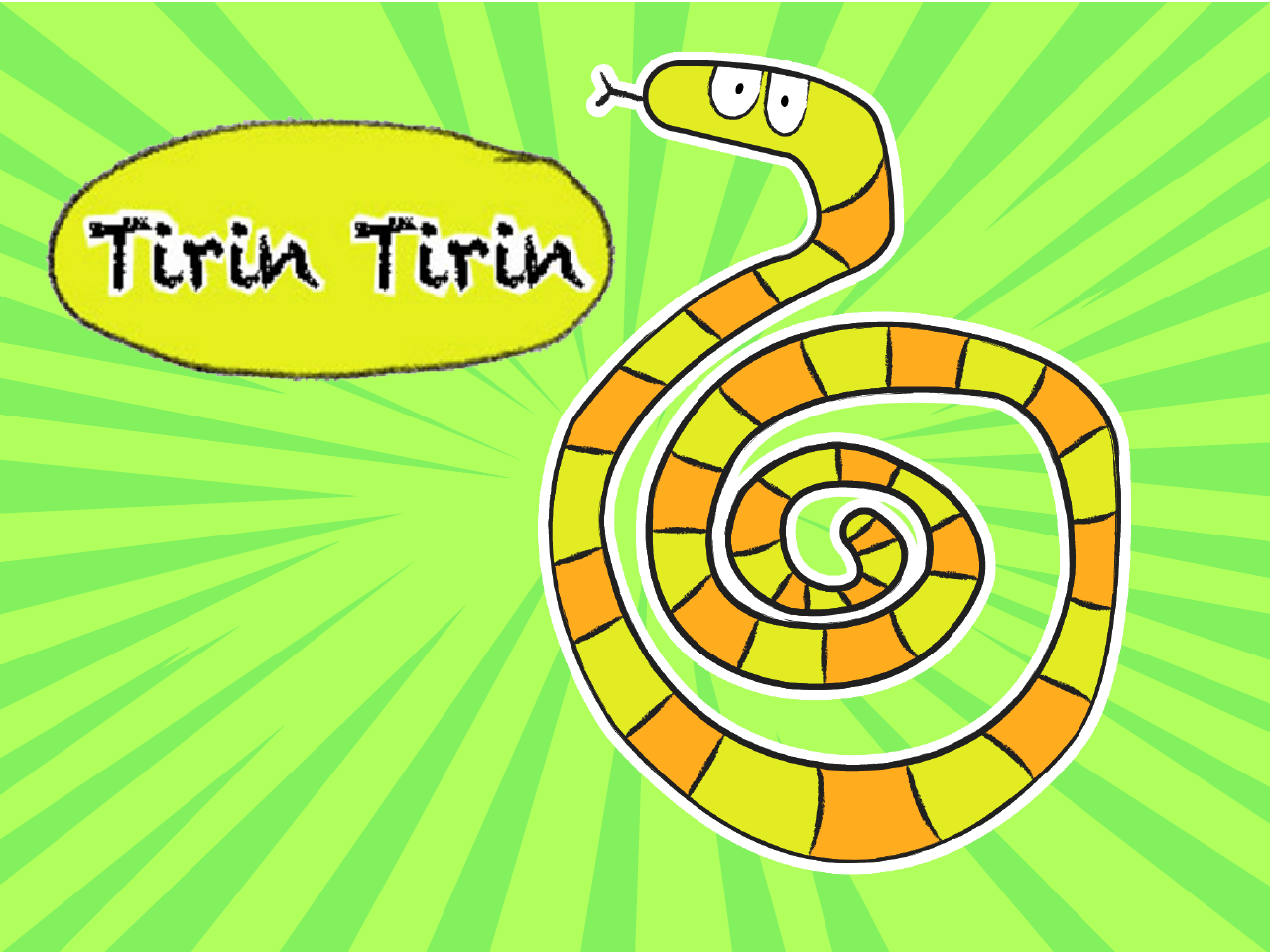
What does the world sound like, and what could it sound like instead? Children explore the sounds of everyday objects, record their own sounds, and replace familiar noises with fragments of classical melodies. Through experimentation, they discover how vibration produces sound and how sound is perceived by the ears and brain. The result is a playful intersection of science and music that transforms the everyday soundscape into something children can investigate and reinvent.

Pim Pooom

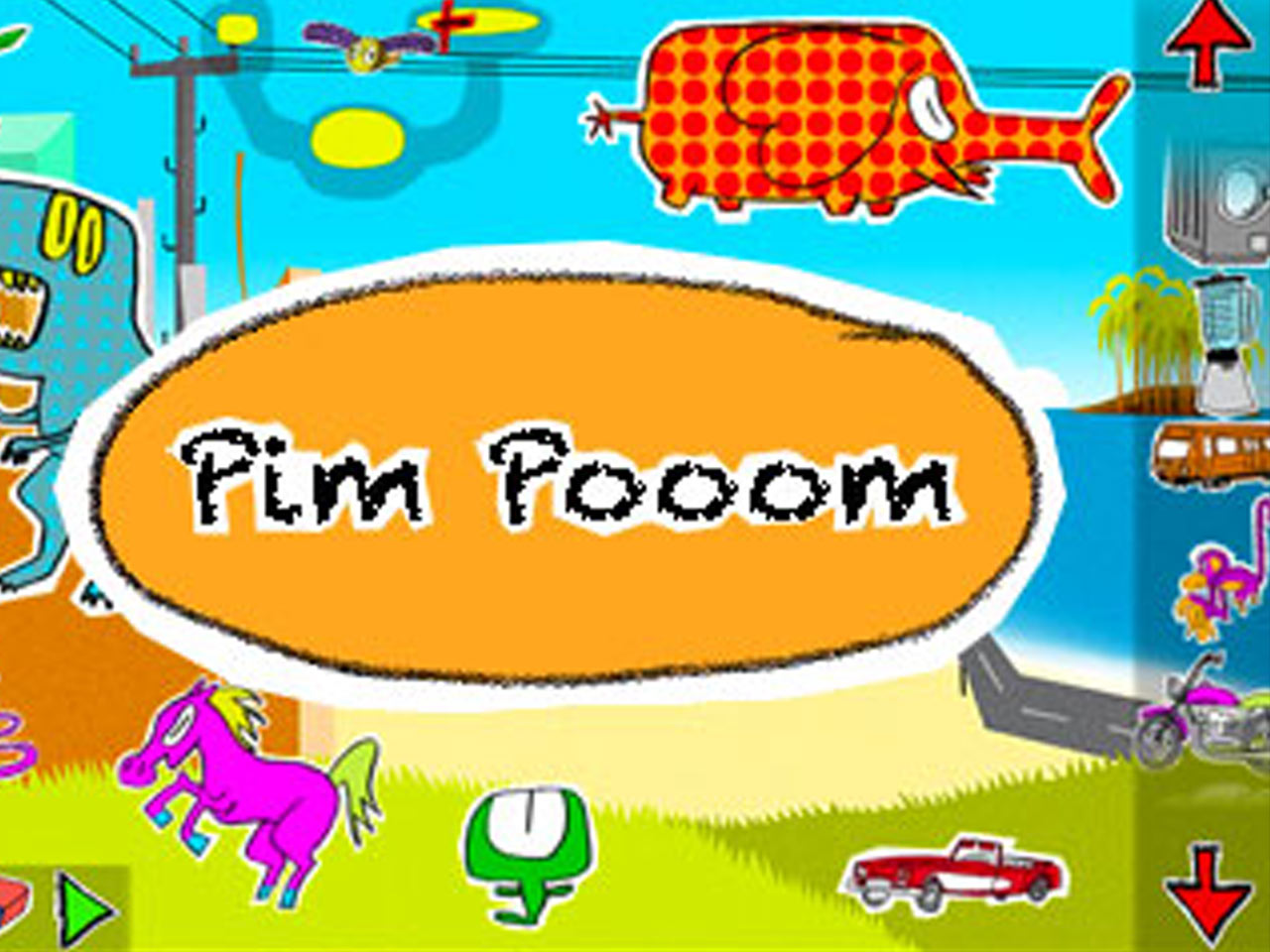
Turn the sounds of the world into music by collecting, arranging, and transforming noises from the street and nature. Children change volume, combine sounds, and build their own compositions while exploring fundamental musical qualities such as pitch and duration. The experience functions as a playful sound laboratory where careful listening becomes the starting point for creativity and composition.

Cockroachland / Cucarachilandia

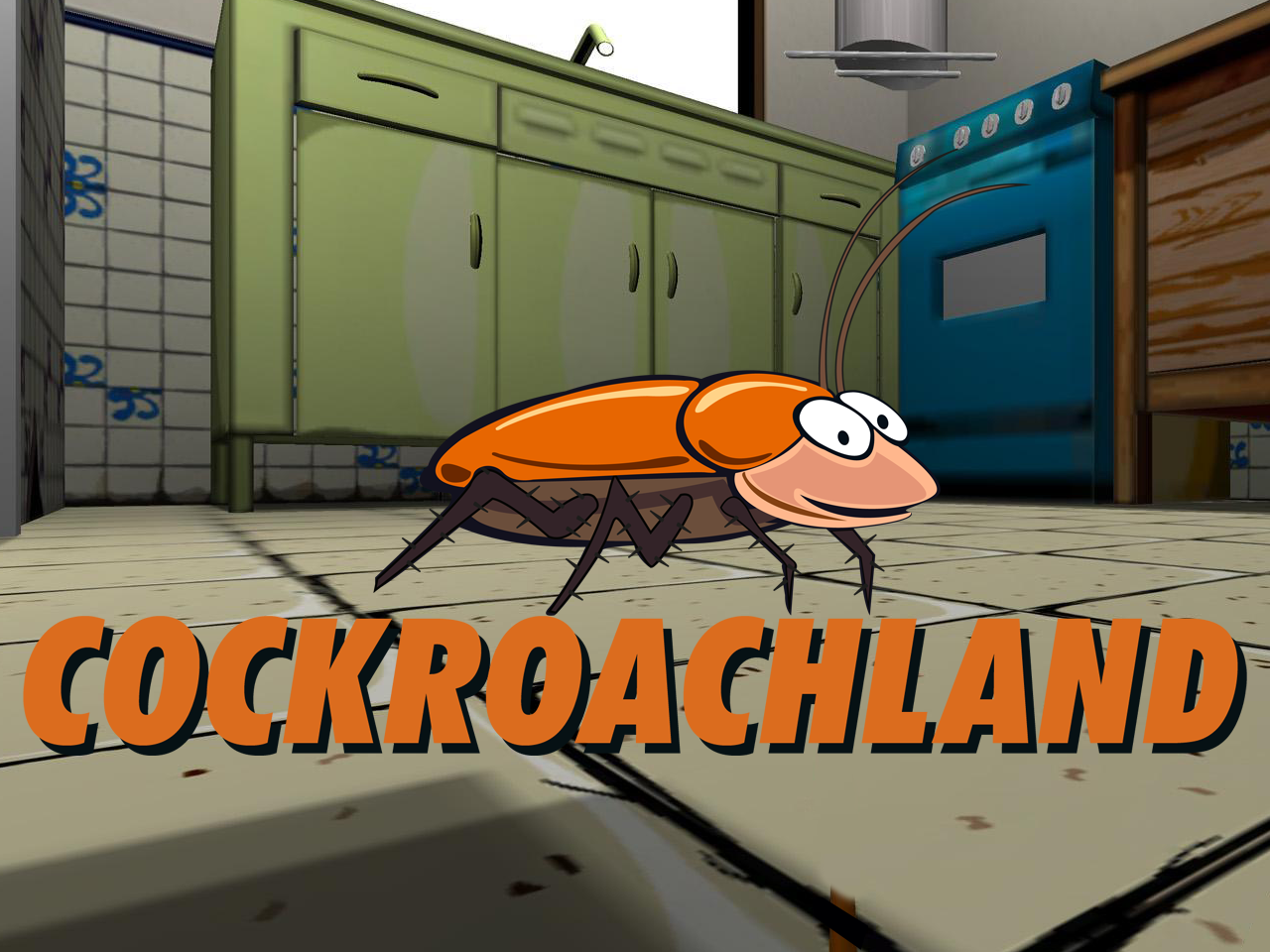
Enter the hidden world of cockroaches, explore their city, collect crumbs, and trade what you find to prepare the ultimate cockroach party. Beneath the adventure is a rich mathematics game in which players solve problems involving addition, subtraction, multiplication, division, percentages, averages, patterns, sets, and spatial reasoning. Designed for ages 9–12, the experience turns mathematical problem-solving into exploration, collecting, and play.

Troglones

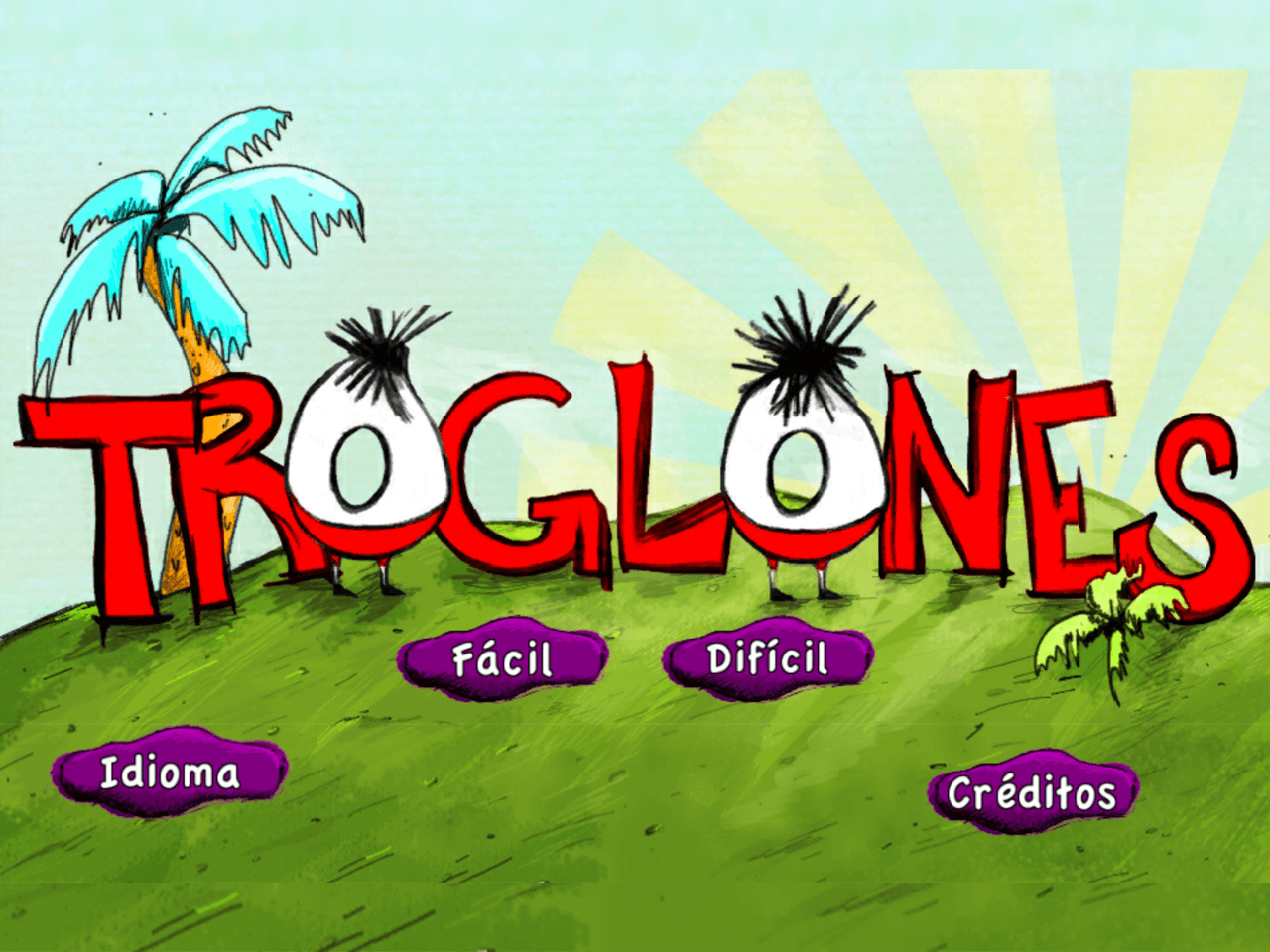
A mathematics game that turns mental calculation into a humorous physical challenge. Players help fantastic creatures overcome obstacles by changing their weight—gobbling up colorful, blobby, squishy creatures to gain kilos and pooping to lose them. Players must calculate exactly how much weight to gain or shed to move forward. By making addition, subtraction and measurement part of its playful mechanics, Troglones turns mental math into experimentation and problem-solving.

Las Golosinas Secretas

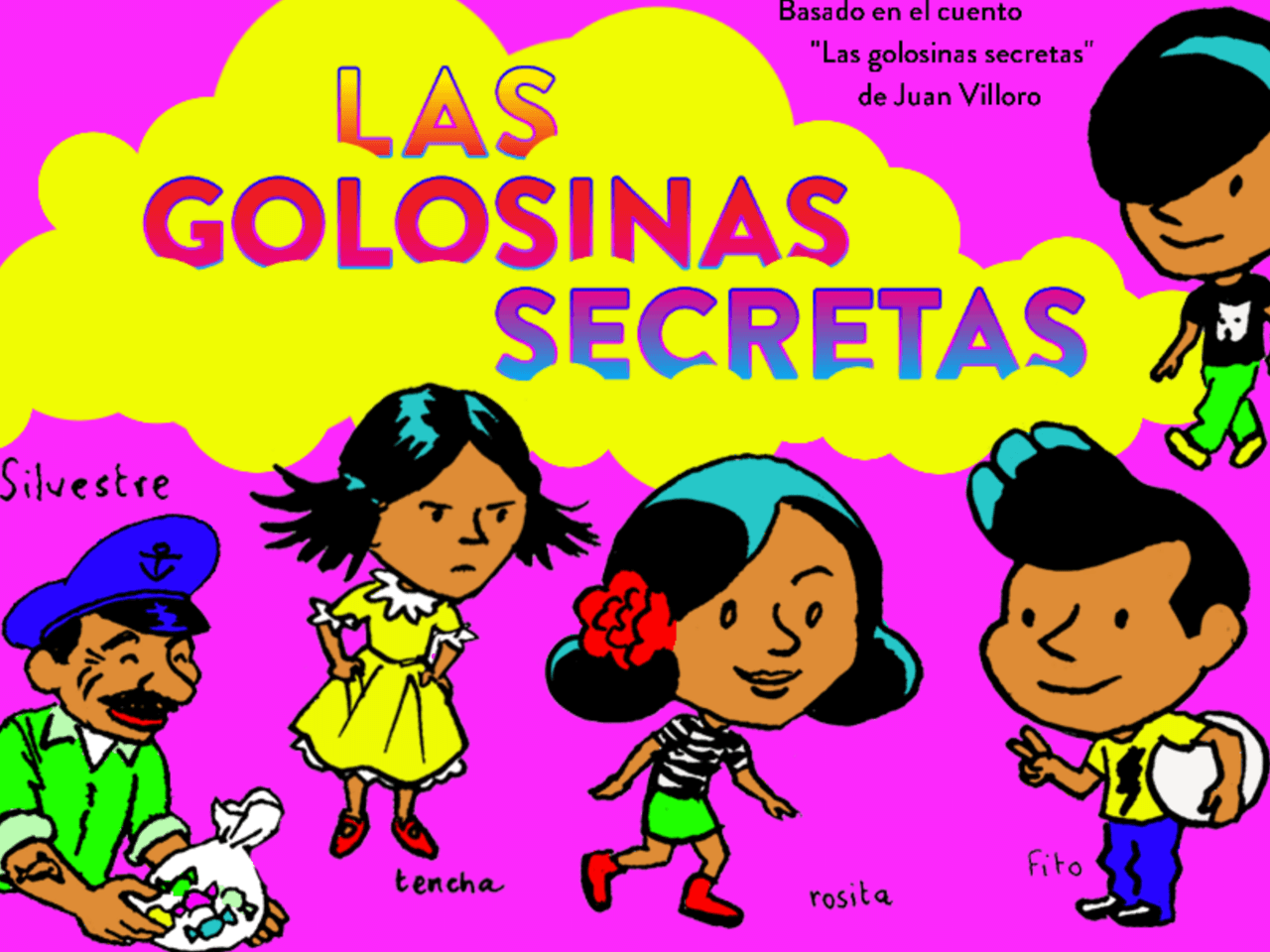
A literacy game based on the children's story by Mexican author Juan Villoro. Players help Fito search for the mysteriously vanished Rosita while completing challenges involving reading comprehension, association, memory and synthesis. Words, sentences and images become part of the gameplay, and players' choices shape how the story unfolds, transforming reading from a passive activity into an interactive and playful narrative experience.

Ramon Tree

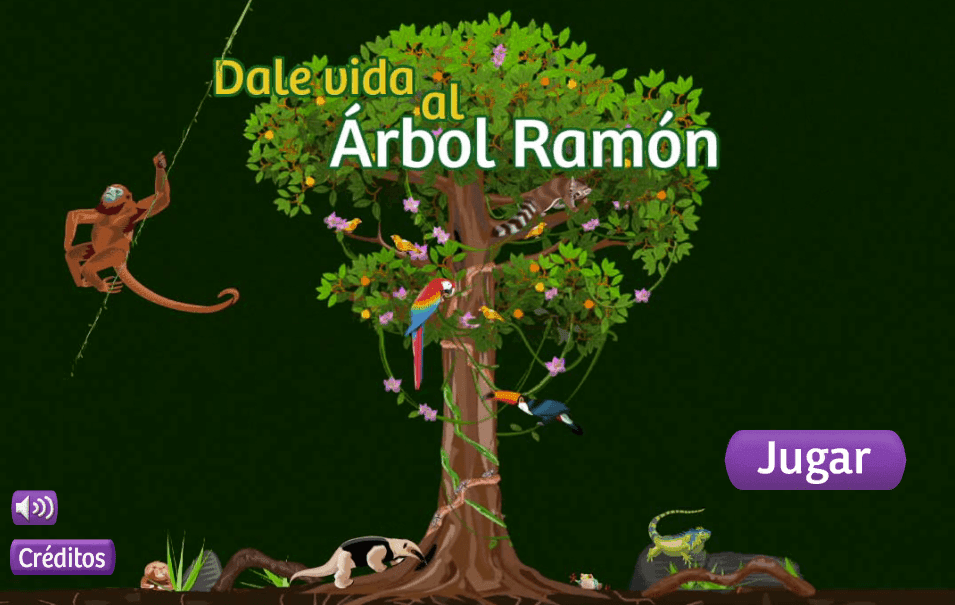
Our team created this game about the sacred and biodiverse Ramon Tree in collaboration with the Papalote Children's Museum. Discover the secrets of this amazing rainforest.

How can we help you?

Send us a message